
Home > About > Our People > Board of Trustees
Board of Trustees
The following people currently serve as the Board of Trustees for the British Association for Biological Anthropology and Osteoarchaeology. You can find their email addresses, short biography, and job description within BABAO.
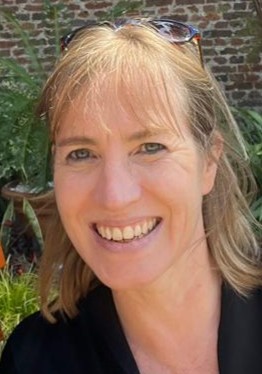
Mary is Professor of Bioarchaeology at the University of Reading and teaches human osteology. She obtained her BA in Archaeology from the University of Leicester (1992), and an MSc in Osteology, Palaeopathology and Funerary Archaeology from Sheffield/Bradford (1993) and her PhD in 1999, from the University of Bradford. Before joining Reading, Mary taught in Bradford and Durham, ran masters programmes at Bournemouth University. Mary specialises in the study of adolescent skeletal remains with a particular focus on palaeopathology. Mary's publications include three books: The Archaeology of Disease. Fourth edition (with Charlotte Roberts, Jackie Duffin and Keith Manchester, Cornell 2026), Palaeopathology of Children (Academic Press 2018) and The Bioarchaeology of Children (CUP 2007). She has held Associate Editor positions for the American Journal of Biological Anthropology and International Journal of Paleopathology, and served as President of the Palaeopathology Association between 2023 and 2005. Mary's current research explores evidence for England's first 'hospice' (Cookham) and locating legacy human skeletal remains. Throughout her career, Mary has worked with commercial units, museums and universities worldwide to facilitate her research and that of her research students.
The President's role broadly involves:
Defining a vision for where the association should be by the end of the 3 year post, and working with the committee to achieve key goals.
Chairing 3 committee meetings each year (November, February and June), and the AGM at the Annual September conference - checking agendas and minutes, addressing actions.
Leading e-mail discussions amongst the committee about problems that arise between meetings.
Making sure actions highlighted from committee meetings are progressed.
Helping to identify and approaching suitable people for committee posts.
Identifying future conference venues and approaching hosts.
Writing the BABAO responses to national level items of relevance.
Coordinating the writing of letters of various kinds from the Committee.
Writing a piece for the Annual BABAO Review.
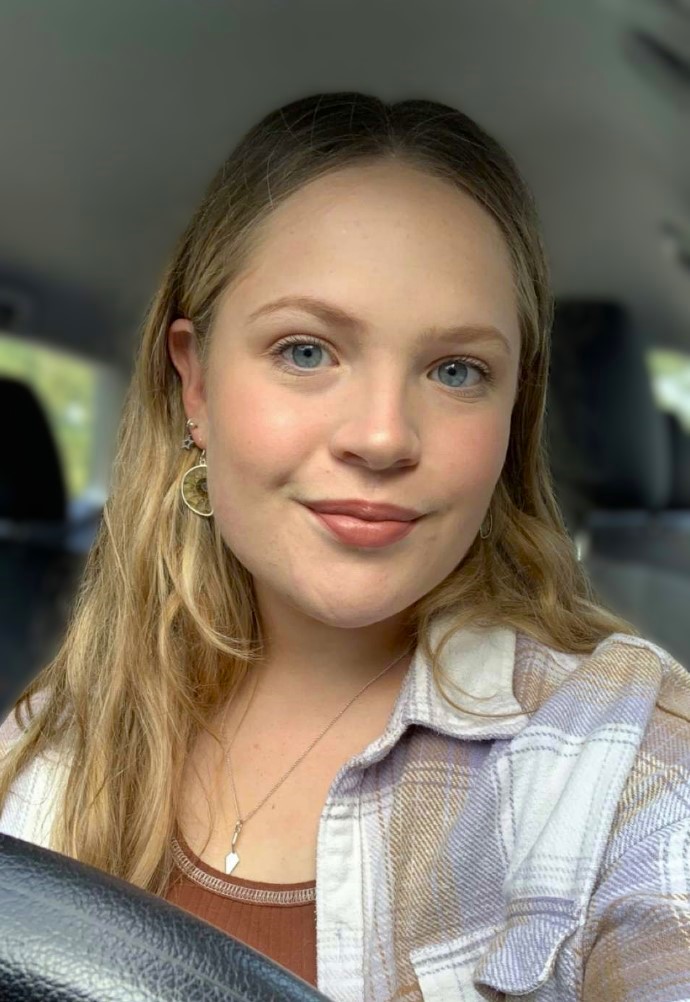
Lainey is a bioarchaeologist currently working at the Duckworth Collections, Cambridge University. She has a BA in Archaeology from the University of York (2022) and completed her MSc in Forensic Archaeology and Anthropology at Durham University (2024). Her research to date has focused on differential gender experiences and expressions of gender identity investigated through the bioarchaeological, mortuary and archival record. She is also interested in, and an advocate for, the ethical care and stewardship of human remains collections. Between her undergraduate and masters, Lainey worked as a commercial field archaeologist for Cambridge Archaeological Unit and has also taken part in recovery excavation with American Veterans Archaeological Recovery. Lainey enjoys engaging with the public at outreach events and being out in the field. In her free time, she likes camping, reading and spending time with friends.

Charlotte is a biological anthropologist based in Canterbury, England. She holds a BSc in Biological Anthropology and an MSc in Forensic Osteology and Field Recovery Methods from the University of Kent. Her MSc dissertation research focused on the spatial dispersal of skeletal remains by wild vertebrate scavengers, with a view to maximise evidentiary recovery in local forensic cases. Passionate about all things osteological, her research interests are centred in forensic anthropology, with a particular focus on taphonomy and the fate of human remains in marine environments.
Outside of her academic research, Charlotte works as a commercial osteoarchaeologist, excavating and analysing skeletal remains for small- and large-scale local projects. She is passionate about public engagement, and enjoys presenting her research and promoting the field of anthropology in her role as a lead outreach facilitator. Keen to apply her skills in a DVI capacity, she is also a registered forensic anthropologist with Cranfield Recovery and Identification of Conflict Casualties, and is ready to deploy with disaster response company Kenyon International Emergency Services.
The treasurer oversees the full range of financial affairs of the Association. This comprises a range of general and specific tasks:
GeneralEnsure the finances of the organisation are managed within the law and by the requirements of a UK charity.
Ensure the organisation manages its finances in the best interest of members, feeding income back into charitable activities for their benefit and the pursuance of our charitable purposes (e.g., to promote biological anthropology).
Ensure proper records are kept of all transactions.
Monitor and report on the financial health of the organisation at meetings and when required.
Oversee the production of necessary financial reports. This comprises periodic ‘state of finances reports’ presented at committee meetings, an annual report presented at the AGM, and a yearly account report submitted to the Charities Commission.
SpecificManage the two bank accounts (current and reserve) with NatWest. Act as signatory for cheques, manage access to online banking, hold a debit card in their own and the charities name, provide an address for the delivery of paper statements.
Keep all paper financial records of the organisation, including receipts for payments, organised to be audited.
Keep all digital financial records of the organisation.
Manage the PayPal account.
Manage the treasurer@babao.org.uk email account.
Make fellow committee members aware of their financial obligations and take a lead in interpreting financial data to them.
Regularly report the financial position at committee meetings (balance sheet, cash flow, fundraising performance etc.).
Ensure proper records are kept and that effective financial procedures and controls are in place (e.g., cheque signatories, purchasing limits, purchasing systems, appraising the financial viability of plans, proposals, and feasibility studies, others as appropriate).
General
Specific
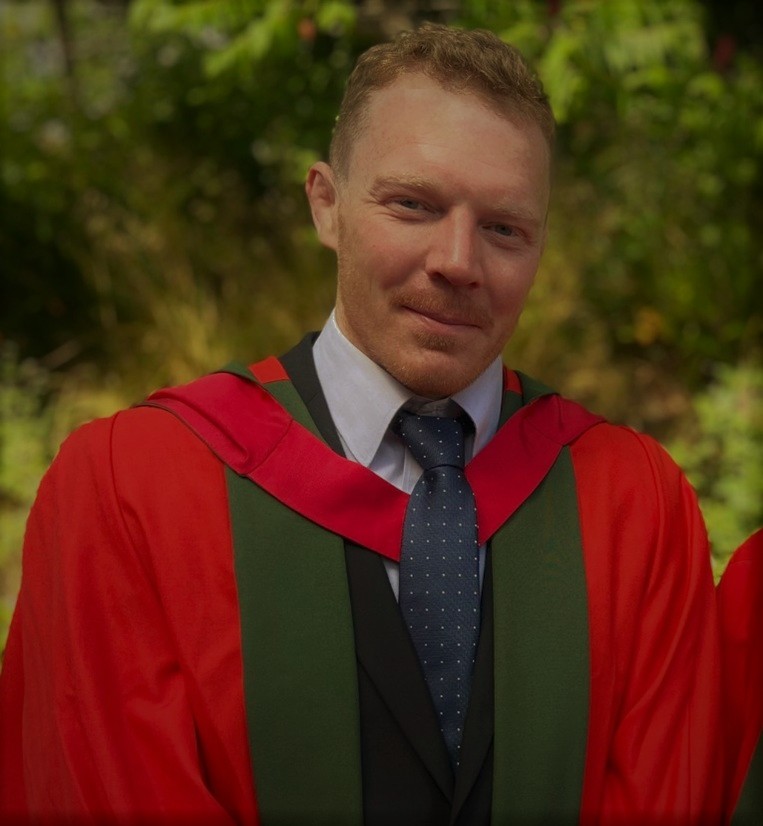
Ben is a biological anthropologist and quantitative archaeologist. He holds a BA and MSc from the Department of Archaeology at the University of Sheffield, and a PhD that was jointly supervised by the Archaeology Department and the School of Mathematics & Statistics. Following a postdoctoral research position in the School of Maths & Stats and a teaching/curatorial role for the Archaeology Department, he is currently a researcher at the College of Dentistry, University of Illinois Chicago. Ben’s research interests include human osteology, interactions between physiological stress and environmental factors, and quantitative approaches in bioarchaeology.
The Grants secretary is responsible for announcing the annual round of academic and commercial grants through the BABAO email list and setting the deadline for submissions. The post-holder ensures that all grant applications adhere to the regulations set out in the grants document and if necessary updates this document. The Grants secretary manages the judging process and collates the results, informing the winners by email and disseminating the results via the BABAO email list and at the AGM. She/he also ensure that the grant holders submit their report and present their research at the annual meeting.

Kirsty is an Associate Professor of Bioarchaeology at the University of Staffordshire, where she has worked since 2014. Her main research interests lie in the analysis and interpretation of cremated bone, non-adult bioarchaeology, and ethics in bioarchaeology and forensic anthropology. She is currently concluding an Arts and Humanities Research Council funded project exploring the health, development, and mortuary treatment of non-adults housed in
the Capuchin Catacombs in Palermo, Sicily. Kirsty is also a Member of The Chartered Society of Forensic Sciences, Associate of the Chartered Society for Archaeologists, and Senior Fellow of the Higher Education Academy. She is a member of Cranfield Recovery and Identification of Conflict Casualties, and a responder with Kenyon International Emergency Services.
The membership secretary is responsible for:
Managing the BABAO membership records through registering new members, keeping members’ details up to date, verifying the student status of student members, and deleting records of cancelled/lapsed memberships
Managing the BABAO mailing list and members’ area of the BABAO website and ensuring members have access to them, as well as providing necessary information for the Student Representative to manage the BABAO Facebook pages
Helping members with any enquiries or problems relating to their membership
Ensuring all members pay the appropriate annual subscription through regularly checking bank and PayPal transaction records, keeping a record of cheques received, and following up on late payment of fees
Verifying membership status of members when required, e.g. for BABAO Small Grant applicants, or conference registration
Preparing membership reports for BABAO Trustees meetings, the AGM, and the Annual Review, and providing information on the membership to other Trustees when reasonably requested
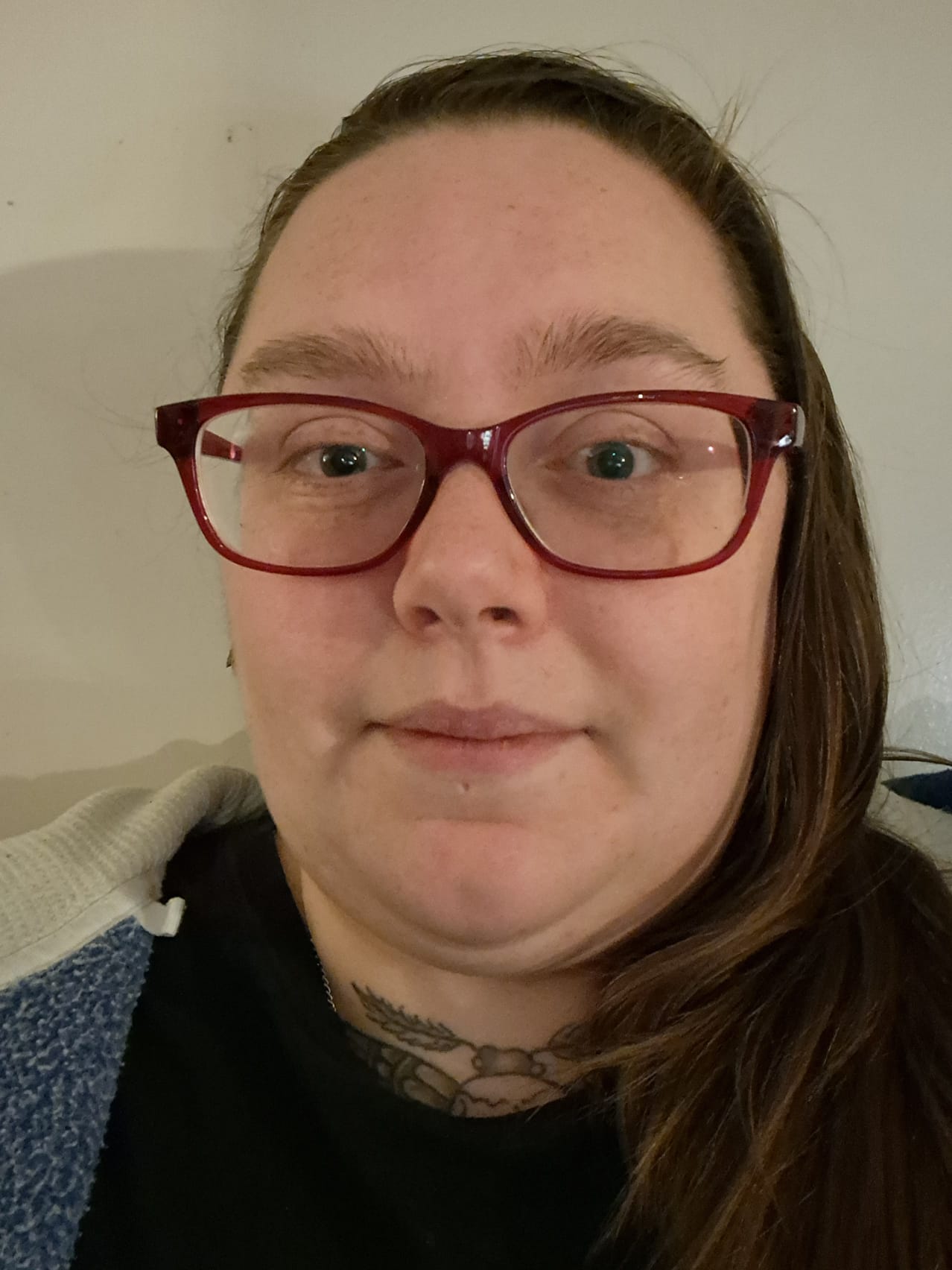
Emily Harris‑Taylor is a bioarchaeologist with experience in excavation, osteological analysis, and heritage outreach across the UK and Europe. She currently works as a Field School Assistant and Researcher for AITA Bioarchaeology and an Archaeogaming and Education researcher for Save Ancient Studies Alliance. She also volunteers for Cotswold Archaeology, Chester House Estate, and the Museum of Looted Antiquities. She holds an MLitt in Viking Studies from The University of the Highlands and Islands and is currently completing further postgraduate training in Archaeological Studies and Forensic Archaeology and Anthropology. Emily will also begin her PhD in early medieval Scottish burial archaeology in 2027. Her research interests include Viking Age mortuary practice, glass artefacts, and North Atlantic material culture. Emily has presented her work at international conferences, such as EAA and RAC/TRAC, and has published in Glass News. She is committed to accessible, interdisciplinary archaeological practice and supporting emerging researchers within the field. Emily is also a Member of several archaeology societies, including the Society for Antiquaries of Scotland and the Chartered Institute for Archaeologists. In her spare time, Emily enjoys participating in Early Medieval Reenactment.
The Communications Officer takes particular responsibility for the development and implementation of community engagement both within the membership and beyond. The Communications Officer works to increase the participation of the association, by maintaining and maximising the use of the website, identifying community interests, and interacting with the association’s membership through the appropriate and available communication channels, particularly via social media.

Ellen is a recent doctoral graduate from the University of Reading, and a former commercial archaeologist. Her research interests center around using disarticulated human remains to reconstruct past mortuary behaviour and integrating bioarchaeological approaches into funerary archaeology.
The post holder is responsible for the development and implementation of public engagement. Main duties include:
Searching for, organising and advertising outreach events association members can take part in
Liaising with local and international BABAO members who wish to partake in outreach events
Purchasing and maintaining a collection of outreach materials, including animal bones, plastic casts of human skeletons, dental casts and printed guides on skeletal anatomy and osteological methods
Posting updates on outreach activities on traditional and social media
Promoting awareness of good practice and ethics within our disciplines when presenting at public communication events
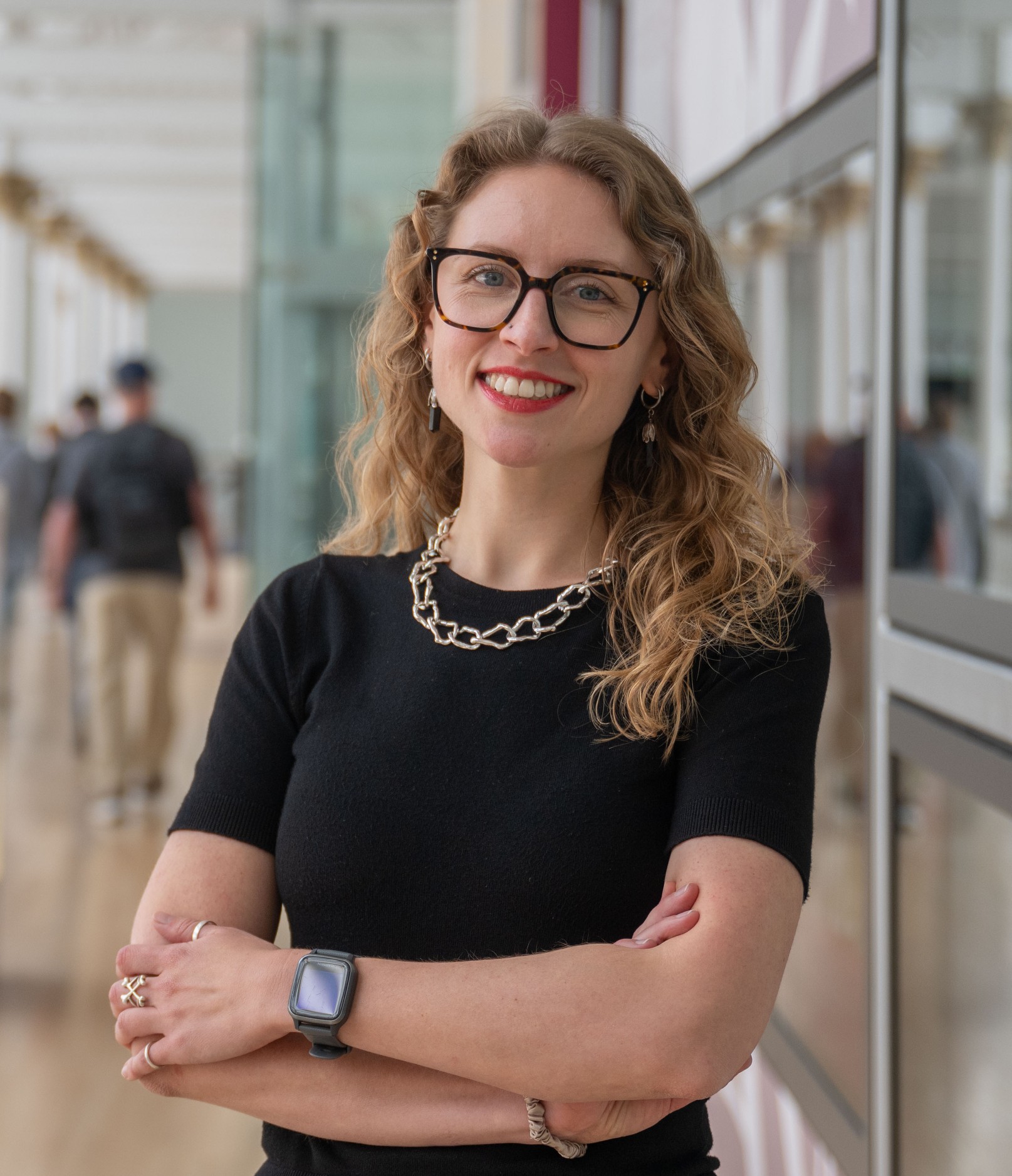
Jess Thompson is Curator of Osteoarchaeology at National Museums Scotland, where she cares for archaeological human remains spanning the Mesolithic to the 20th Century. She took up this position in 2025 after nearly a decade at the University of Cambridge. At Cambridge, Jess worked extensively on funerary practices in the prehistoric Mediterranean. Her PhD investigated the treatment of the dead and ideas about the body in late Neolithic Malta through a meticulous analysis of thousands of human bone fragments. After this, she worked with a multidisciplinary team on an ERC-funded project looking at who became an ancestor in prehistoric Italy. Jess is especially interested in approaches to death and dying in the past, the ethics of bioarchaeological research, and the politics of the dead. When not at work, she can usually be found walking or running by the sea, trying out new recipes, or tackling her ever-growing TBR.
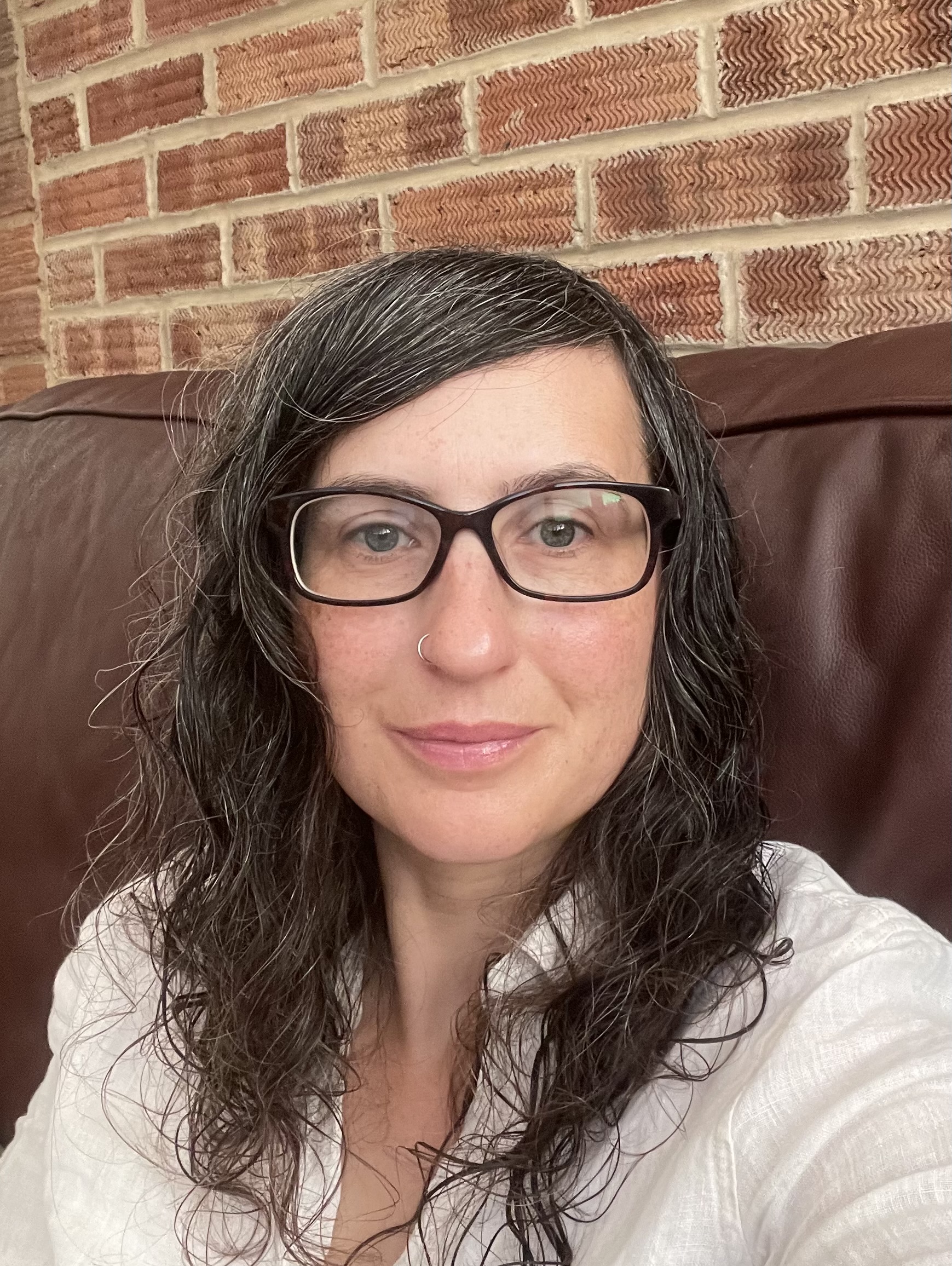
Carina Summerfield-Hill
Representative from a Commercial Organisation
(2026 ‒ 2029)
Carina is a Project Officer at York Archaeology specialising in Human Osteology, who has been working in the commercial archaeology sector for over 21 years. Carina studied for her B.A. Honours Degree in Archaeology at the University of Liverpool between 2000-2003, followed by a MSc in Human Osteology and Funerary Archaeology at the University of Sheffield in 2003-2004. Carina has extensive experience in how to excavate, record and lift human remains out in the field, and carry out post-excavation analysis and recording with the production of grey literature reports and publications. Her osteological specialism has also given her the opportunity to supervise on research and rescue excavations on cemetery sites in the Sudan, and she has also assisted in running osteological training excavations with undergraduates. Carina is particularly interested in histological analysis, bone diagenesis, and aDNA. Outside of work, Carina loves anything plant related, along with music, reading, and visiting historical sites.
The representative from a commercial organisation ensures that members from the commercial sector have a dedicated contact person within the Board of Trustees who will raise their concerns and comments on representing their views. The representative contacts commercial sector members prior to meetings of the Board of Trustees to ask for comments and suggestions. The representative from a commercial organisation attends the three annual meetings of the Board of Trustees and reports at the AGM during the Annual Meeting.

Adelina Teoaca
Representative from a Professional Organisation
(2024 ‒ 2027)
Adelina joined the Canterbury Archaeological Trust in 2015 as a field archaeologist and currently serves as the Finds and Archive Manager, as well as the resident osteoarchaeologist. Her research focuses on the osteobiographies of individuals from Canterbury and Kent, specifically from the Late Roman to the Early Anglo-Saxon transition period. She is a strong supporter of a fully interdisciplinary approach to archaeology and believe that collaboration is the key to valuable research. She is also a strong proponent of a healthy work-life balance. Therefore, while she does respond to emails outside of regular work hours, you might find her doing so while gardening with her cat or collecting sea glass on the beach.
The post entails making BABAO aware of developments in the broader archaeological sector and helping to ensure that BABAO views are heard to maximum effect shaping those developments. The post-holder will be a member of a major professional organisation in archaeology or other relevant discipline, or owns their own business.
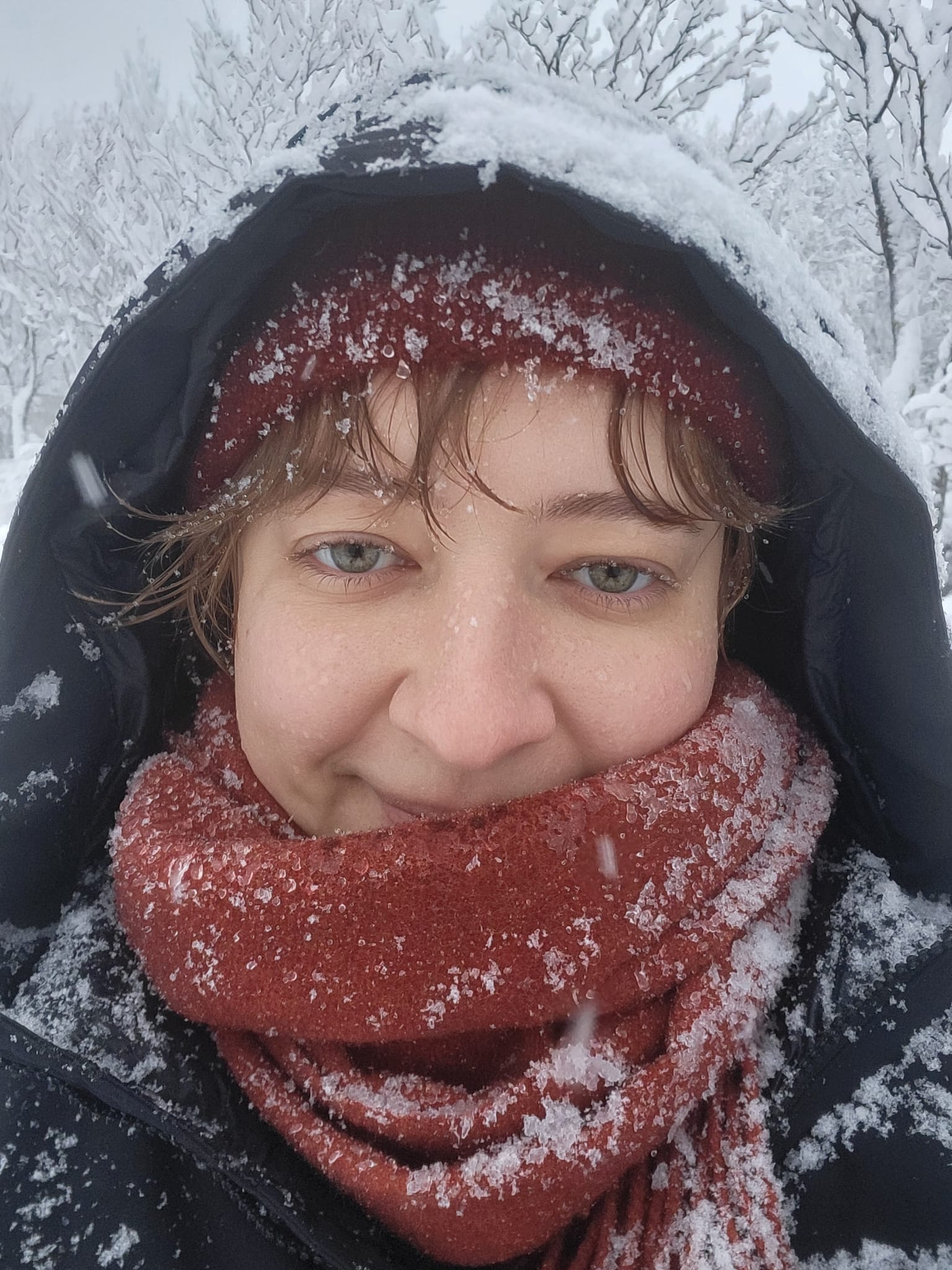
Maren is a PhD candidate in Biological Anthropology at the University of Iceland. She completed her BA in Pre- and Protohistoric Archaeology at the University of Heidelberg, Germany, followed by an MA in Historical Archaeology at the University of Iceland, where her thesis focused on recording entheseal changes in non-adults from two skeletal assemblages from historical Iceland. Maren started her PhD in 2025 at the School of Social Sciences at the University of Iceland under the supervision of Prof. Agnar Helgason. Her doctoral research examines non-adult skeletons from four early medieval Icelandic sites using macroscopic and biomolecular approaches, with the aim of reconstructing the health, mortality, and social identity of infants and children in historical Iceland. Outside of academia, Maren enjoys knitting, cooking, playing boardgames, and spending time with her daughter.
The student representative is responsible for ensuring the interests of BABAO’s student community are represented in our organisation and making their opinions and suggestions known during the committee meetings. The student rep is a port of call for students with questions about our community. Furthermore, the representative administers the Facebook group, which provides a platform of communication between the student members.
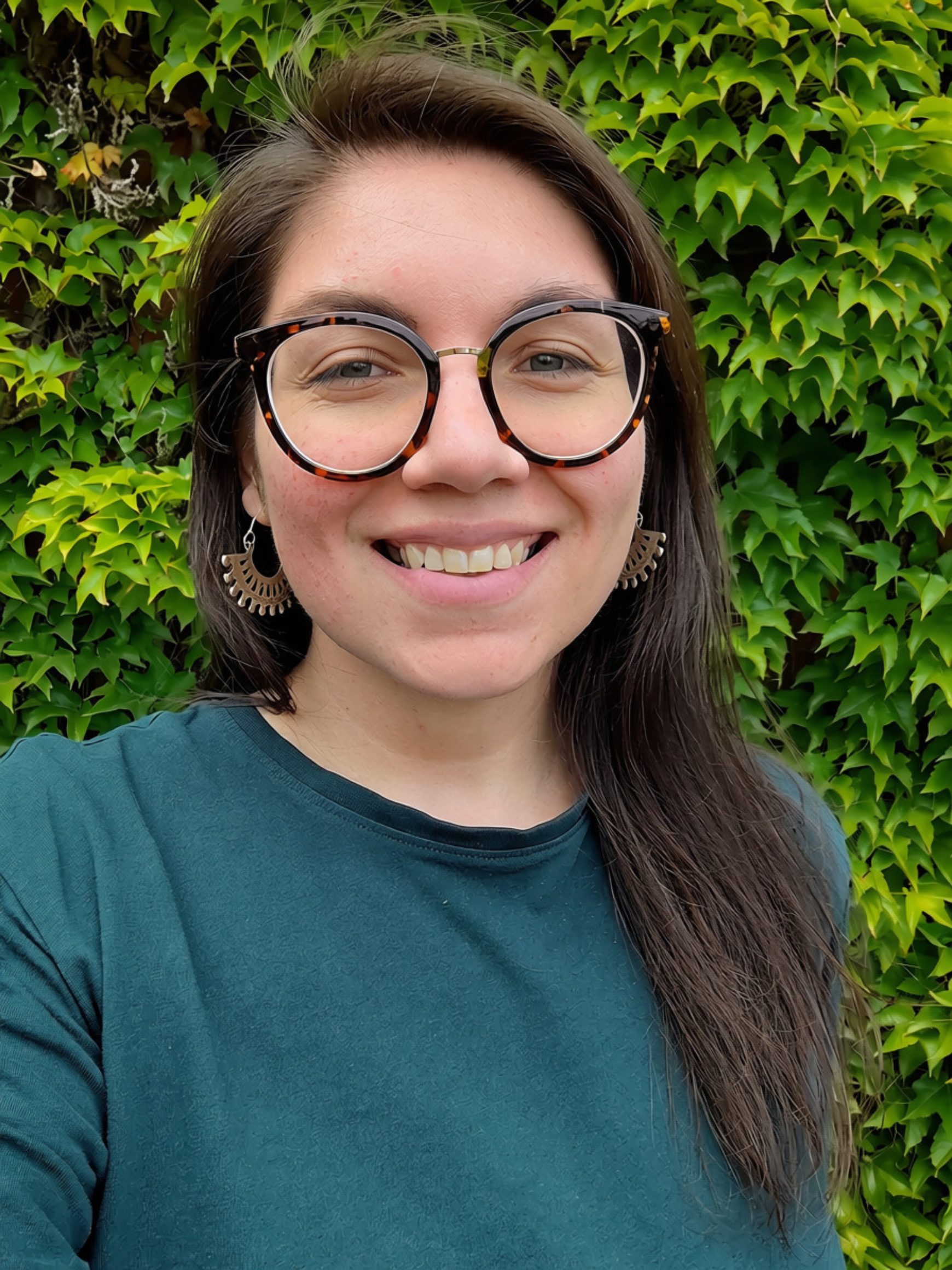
Ofelia is an anatomist and bioanthropologist currently working as a Teaching Specialist in Anatomy, Physiology, and Forensic Anthropology in the School of Biosciences at the University of Sheffield. Her professional career spans international field and academic settings: after completing a BSc in Biological Anthropology and a PGDip in Education and Human Rights at the University of Chile, she worked for several years in Chile as a Forensic Anthropologist for the Medico-Legal Service (SML) and in commercial archaeology. Moving to the UK in 2017, she earned a MSc in Anatomy and Advanced Forensic Anthropology at the University of Dundee and a PhD in Bioarchaeology at the University of Sheffield, focusing on health patterns in modern skeletal populations. Her research interests include human anatomy, palaeopathology, historical bioarchaeology, and the bioarchaeology of childhood and old age. Outside of academia, Ofelia enjoys swimming (particularly in cold water), travelling, and gardening.
The Editor-in-Chief coordinates BABAO's Annual Review, collating the news from the BABAO trustees and membership into an annual publication that is provided to all BABAO members. It also includes valuable information about upcoming conferences and grants and funding initiatives available to members. The Editor-in-Chief is also tasked with maintaining and updating BABAO publications, as needed.
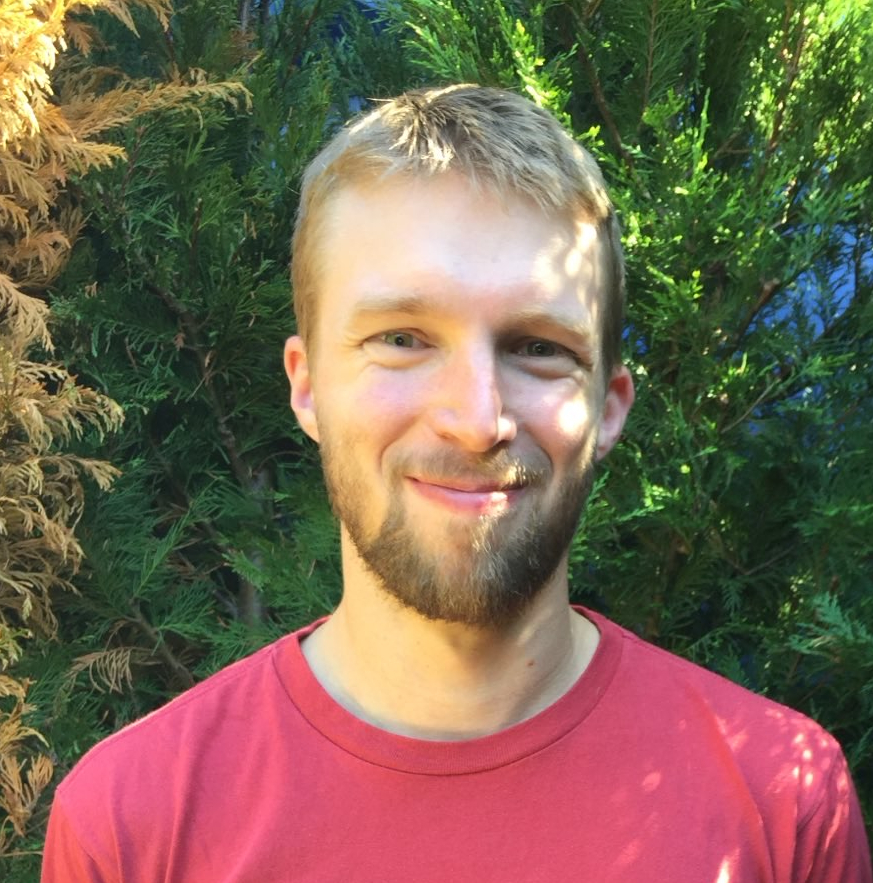
Bjørn Peare Bartholdy
Non-Executive Member and Data Protection Lead
(2026 ‒ 2029)
I recently finished my PhD in Archaeological Science where I explored the interaction between diet and dental calculus using experimental oral biofilms. I now work as a Data Steward and Open Science community manager, focusing on FAIR data and software.
The non-executive member supports other committee members to help develop the Association, bringing in their academic and/or commercial experience in bioarchaeology. Further, they are the Data Protection Lead.
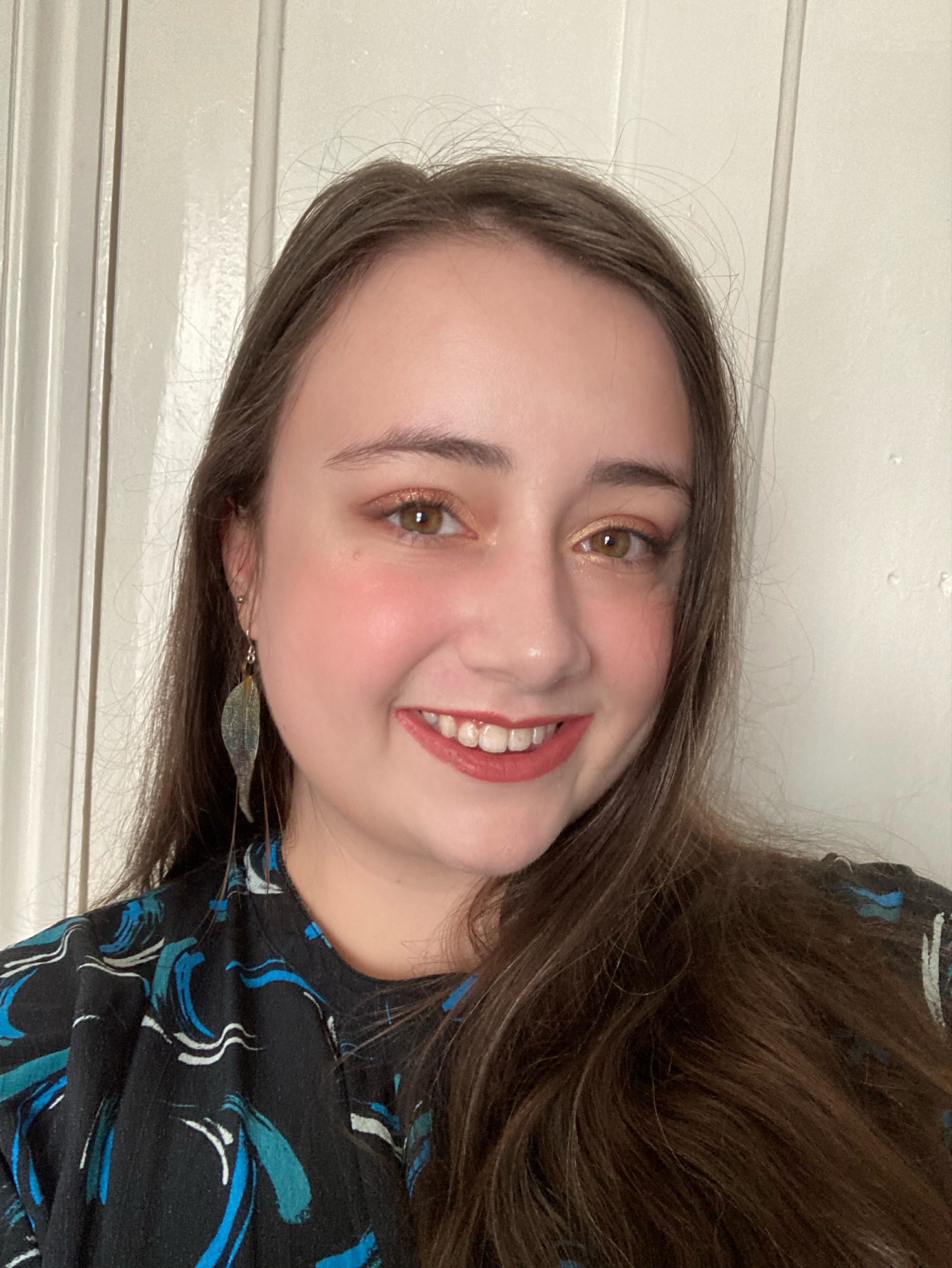
Anna is an archaeologist, currently working as an Archives Project Assistant at the Norfolk Records Office. She has an MA in the Arts of Africa, Oceania, and the Americas from the Sainsbury Research Unit, University of East Anglia, and a BA in Archaeology from the University of Cambridge (Newnham College). Her research interests include marginalised histories, with a focus on heritages and archaeologies at the intersection of race and disability. She volunteers as the Museum Ethnographers Group's Accessibility Officer, an NHS Young Researcher, and a Future Movement Builder with Inclusion London. Outside of research, she loves video games, and tracking her reading on StoryGraph (maybe more than she likes readings sometimes...).
Main duties include but are not limited to, the following areas:
- Chairing and leading the EDI sub-group.
- Acting as the EDI representative on the Board of Trustees.
- Developing programs and work packages with the EDI sub-group that can benefit and/educate the BABAO membership on EDI issues within and/or which are relevant to BABAO.
- Working with the Grants Trustee to review the Diversifying and Decolonising Osteology and Biological Anthropology (DDOBA) grant applications to ensure that they meet the intended aims of the grant.
- Working with BABAO conference or event organisers to ensure that accessibility is considered throughout the planning and implementation of the event.